

Bitcoin Mining Machine: Complete 2026 Guide to Hardware, Profitability & Setup UK/Europe

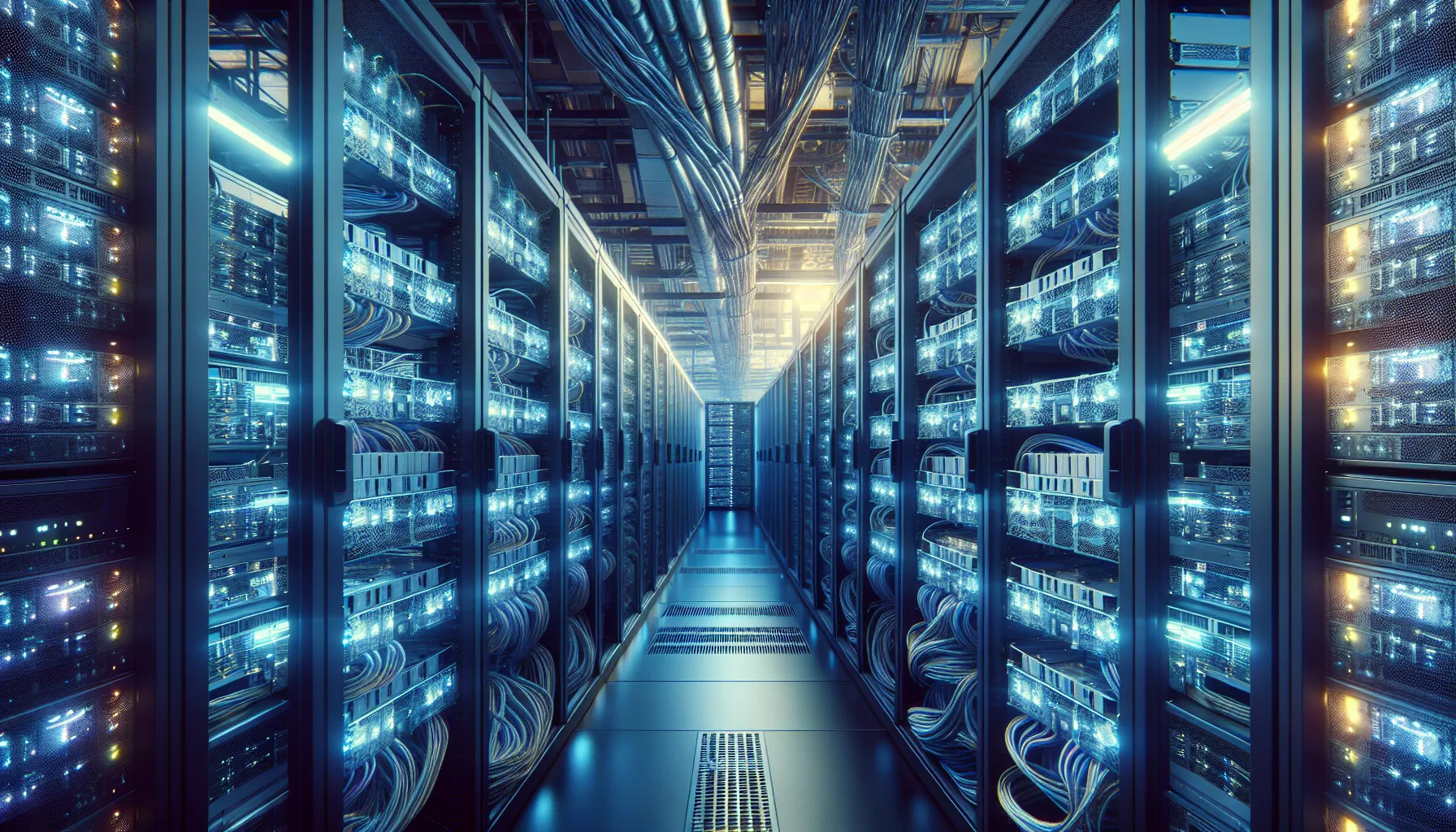
Bitcoin Mining Machine: Complete 2026 Guide to Hardware, Profitability & Setup UK/Europe
Last Updated: February 4, 2026
Best Bitcoin Mining Hardware 2026 mining machines have evolved dramatically since Satoshi Nakamoto mined the first block in 2009. Today’s Bitcoin mining machine is a specialized piece of hardware designed exclusively to solve cryptographic puzzles and validate Bitcoin transactions, earning rewards in the process.
In this comprehensive guide, we’ll explore everything you need to know about Bitcoin mining machines in 2026—from understanding how they work to choosing the right hardware, calculating profitability, and setting up your mining operation in the UK or Europe.
Whether you’re a complete beginner or an experienced Best Dogecoin Miner 2026 looking to upgrade, this guide will help you navigate the increasingly competitive world of Bitcoin mining hardware.
What Is a Bitcoin Mining Machine?
A Bitcoin mining machine, commonly called an ASIC miner (Application-Specific Integrated Circuit), is specialized computer hardware built solely for mining Bitcoin. Unlike regular computers or graphics cards, these machines can’t run games, browse the internet, or perform general computing tasks—they do one thing exceptionally well: calculate SHA-256 hash functions at incredible speeds.
How Bitcoin Mining Machines Work:
When you run a Bitcoin mining machine, it performs trillions of calculations per second, attempting to find a specific number (called a nonce) that, when combined with the block data, produces a hash below a target threshold. The first miner to find this solution broadcasts it to the network, validates the block, and receives the block reward plus transaction fees.
Modern Bitcoin mining machines achieve hash rates measured in terahashes per second (TH/s), with the latest models reaching 200-400 TH/s. For comparison, the entire Bitcoin network hash rate exceeded 500 exahashes per second (EH/s) in early 2026, making solo mining virtually impossible without substantial hardware investment.
Why You Need Specialized Hardware:
Bitcoin’s mining difficulty automatically adjusts every 2,016 blocks (approximately two weeks) to maintain a consistent 10-minute block time. As more miners join the network and hardware improves, difficulty increases proportionally. This “difficulty adjustment” mechanism means general-purpose computers became unprofitable for Bitcoin mining years ago, making dedicated ASIC miners essential for any serious mining operation.
Types of Bitcoin Mining Machines in 2026
The Bitcoin mining hardware market in 2026 is dominated by several manufacturers, each offering different models tailored to various budgets, electricity costs, and mining environments. Let’s explore the main types available.
Air-Cooled Bitcoin Mining Machines:
Air-cooled models remain the most common type of Bitcoin mining machine, using powerful fans to dissipate heat generated during operation. These machines typically produce 75-85 decibels of noise—comparable to a vacuum cleaner—making them challenging for residential environments but perfect for dedicated mining facilities.
Popular air-cooled models include the Bitmain Antminers S21 series and the Whatsminer M60S-M70S range. These machines offer excellent efficiency ratings between 13-18 joules per terahash (J/TH), determining how much electricity they consume relative to their computational output.
Hydro-Cooled Bitcoin Mining Machines:
Hydro-cooled (water-cooled) mining machines represent the cutting edge of mining technology, using liquid cooling systems to maintain optimal operating temperatures while significantly reducing noise levels. These advanced systems can achieve efficiency ratings as low as 11-13 J/TH, making them ideal for large-scale operations where electricity costs directly impact profitability.
The Whatsminer M63S Hydro and Antminer S21 XP Review S21 Hydro series lead this category, offering superior performance in exchange for higher upfront costs and more complex installation requirements. Hydro-cooled machines require proper plumbing infrastructure, coolant management, and careful maintenance but deliver exceptional results in commercial mining environments.
Home Bitcoin Mining Machines:
Recognizing demand from residential miners, manufacturers have recently introduced “home-friendly” Bitcoin mining machines designed with reduced noise levels and compact form factors. These machines sacrifice some hash rate and efficiency for quieter operation, typically producing 40-55 decibels—quiet enough for a home office or garage.
Models like the Canaan Avalon Nano series and compact Goldshell miners target this market segment, making Bitcoin mining accessible to enthusiasts without dedicated mining facilities. While less powerful than industrial counterparts, these machines offer an entry point for those wanting to participate in Bitcoin mining without major infrastructure investments.
Top Bitcoin Mining Machines in 2026
Choosing the right Bitcoin mining machine depends on multiple factors: your electricity cost, available space, noise tolerance, budget, and expected ROI timeline. Here are the leading options available in 2026.
Bitmain Antminer S21 XP (270 TH/s, 13.5 J/TH):
The Antminer S21 XP represents Bitmain’s flagship air-cooled Bitcoin mining machine, delivering 270 TH/s at 3,645W power consumption. With an efficiency rating of 13.5 J/TH, this machine strikes an excellent balance between performance and power consumption, making it suitable for miners with access to electricity costs under £0.10/kWh.
At current Bitcoin prices (~£75,000) and mining difficulty, the S21 XP generates approximately £18-22 daily in gross revenue before electricity costs. With £0.08/kWh electricity, net daily profit ranges from £11-15, providing an estimated 12-18 month ROI period depending on Bitcoin price movements and difficulty increases.
Whatsminer M63S Hydro (406 TH/s, 12.7 J/TH):
For large-scale operations prioritizing efficiency, the Whatsminer M63S Hydro stands as the most powerful Bitcoin mining machine available in early 2026. Its 406 TH/s hash rate combined with industry-leading 12.7 J/TH efficiency makes it the top choice for industrial mining farms with access to cheap electricity and proper cooling infrastructure.
This powerhouse consumes 5,156W during operation, requiring 220-240V electrical infrastructure and professional installation. The initial investment runs higher than air-cooled alternatives, but superior efficiency translates to significantly higher profitability over the machine’s operational lifetime, especially as Bitcoin mining difficulty continues increasing.
Canaan Avalon Made A1566 (185 TH/s, 18 J/TH):
The Canaan Avalon A1566 offers a more budget-friendly entry into Bitcoin mining, delivering 185 TH/s at 18 J/TH efficiency. While less efficient than Bitmain or MicroBT flagships, the A1566’s lower purchase price makes it attractive for miners testing the waters or operating in regions with exceptionally cheap electricity (under £0.05/kWh).
This machine suits miners prioritizing lower upfront investment over maximum efficiency, accepting slightly higher electricity costs in exchange for faster capital recovery. The A1566 performs well in moderate-difficulty environments where electricity represents a smaller portion of total operating costs.
Comparing Bitcoin Mining Machine Specifications:
When evaluating Bitcoin mining machines, focus on three critical specifications:
- Hash Rate (TH/s): Higher hash rates increase your probability of finding blocks and earning rewards, but always consider hash rate relative to power consumption.
- Efficiency (J/TH): Lower J/TH ratings mean less electricity consumed per unit of computational power, directly impacting profitability. A machine with 200 TH/s at 15 J/TH may outperform one with 250 TH/s at 20 J/TH depending on electricity costs.
- Power Consumption (Watts): Ensure your electrical infrastructure can support the machine’s requirements. Most Bitcoin mining machines require dedicated 220-240V circuits with appropriate amperage ratings.
Bitcoin Mining Machine Profitability in 2026
Understanding Bitcoin mining machine profitability requires calculating multiple variables that change constantly: Bitcoin price, network difficulty, electricity costs, pool fees, and hardware depreciation. Let’s break down the profitability equation.
Revenue Calculation Fundamentals:
Your Bitcoin mining machine’s daily revenue depends on its share of the total network hash rate. With a 270 TH/s machine and a network hash rate of 500 EH/s (500,000,000 TH/s), you control approximately 0.000054% of the network.
At the current block reward of 3.125 BTC per block (post-2024 halving) with approximately 144 blocks mined daily, the network generates roughly 450 BTC daily in block rewards. Your 270 TH/s machine would theoretically earn about 0.0000243 BTC daily, or approximately £1.82 at £75,000 per Bitcoin—before electricity costs and pool fees.
However, solo mining with a single machine is impractical; joining a mining pool distributes rewards based on contributed hash rate, providing steady daily payouts while the pool takes a 1-3% fee.
Electricity Cost Impact:
Electricity consumption represents the largest ongoing expense for Bitcoin mining operations. A 3,645W mining machine running 24/7 consumes 87.48 kWh daily. At various UK/European electricity rates:
- £0.08/kWh: £7.00 daily (£2,555 annually)
- £0.12/kWh: £10.50 daily (£3,832 annually)
- £0.16/kWh: £14.00 daily (£5,110 annually)
- £0.20/kWh: £17.50 daily (£6,387 annually)
These figures demonstrate why accessing cheap electricity is crucial for Bitcoin mining profitability. At £0.20/kWh, most Bitcoin mining machines operate at break-even or losses unless Bitcoin prices rise significantly.
ROI Timeline Expectations:
Return on investment for Bitcoin mining machines varies dramatically based on purchase price, electricity costs, and Bitcoin price movements. Using a £6,500 Antminer S21 XP as an example:
- Scenario 1 (£0.08/kWh, stable BTC £75k): 12-15 month ROI
- Scenario 2 (£0.12/kWh, stable BTC £75k): 18-24 month ROI
- Scenario 3 (£0.08/kWh, BTC rises to £100k): 8-10 month ROI
- Scenario 4 (£0.16/kWh, stable BTC £75k): 30+ month ROI or unprofitable
These projections assume constant difficulty (unrealistic) and don’t account for hardware depreciation. In reality, mining difficulty typically increases 3-8% monthly as newer, more efficient machines enter the market, reducing individual machine profitability over time.
Profitability Calculators and Tools:
Several online calculators help estimate Bitcoin mining machine profitability:
- WhatToMine.com: Comprehensive calculator with current difficulty and coin prices
- NiceHash Profitability Calculator: Real-time profitability estimates with electricity cost inputs
- ASIC Miner Value: Historical profitability data for various mining machine models
Always run profitability calculations with conservative estimates, factoring in 5-10% monthly difficulty increases and potential Bitcoin price volatility. Bitcoin mining requires long-term thinking and tolerance for market fluctuations.
Setting Up Your Bitcoin Mining Machine
Successfully deploying a Bitcoin mining machine requires proper preparation beyond simply plugging it in. Here’s everything you need to know about installation, configuration, and optimization.
Electrical Requirements:
Most Bitcoin mining machines require 220-240V power supplies, significantly higher than standard UK/European household outlets (which typically provide 230V). However, the amperage draw matters more than voltage—a 3,645W machine operating at 230V draws approximately 15.8 amps continuously.
Before purchasing a Bitcoin mining machine, verify your electrical infrastructure can support continuous high-amperage loads. Consider hiring a licensed electrician to install dedicated circuits with appropriate circuit breakers, avoiding overloaded household circuits that could trip or create fire hazards.
Modern Bitcoin mining machines use C13/C14 or C19/C20 power connectors, often requiring specialized power supply units (PSUs) sold separately from the miner itself. Ensure you order compatible PSUs when purchasing your hardware.
Cooling and Ventilation:
Bitcoin mining machines generate substantial heat—a 3,645W machine produces approximately 12,440 BTU/hour of thermal energy, equivalent to a small space heater. Without adequate ventilation, mining machines overheat, triggering thermal protection mechanisms that reduce hash rate or shut down entirely.
Proper cooling strategies include:
- Exhaust fans: Install powerful exhaust systems removing hot air from the mining space
- Intake ventilation: Ensure fresh, cool air enters to replace expelled hot air
- Air conditioning: Consider dedicated cooling systems for multi-machine operations
- Ambient temperature: Maintain room temperatures below 30°C (86°F) for optimal performance
Some miners creatively repurpose waste heat for home heating during winter months, improving overall energy efficiency by offsetting heating costs with mining heat output.
Internet Connection and Mining Pool Setup:
Bitcoin mining machines require stable internet connections but consume minimal bandwidth—typically under 5-10 MB daily. Network stability matters more than speed; frequent disconnections interrupt mining operations and reduce profitability.
Configure your mining machine by accessing its web interface (usually via IP address on your local network) and entering mining pool credentials:
- Choose a reputable mining pool (shop all miners for recommendations)
- Create a mining pool account and generate worker credentials
- Enter pool URL, worker name, and password into your miner’s configuration
- Save settings and monitor hash rate to confirm successful connection
Popular Bitcoin mining pools in 2026 include Foundry USA, AntPool, F2Pool, and Braiins Pool, each offering different fee structures, payout minimums, and additional features.
Monitoring and Maintenance:
Regular monitoring ensures your Bitcoin mining machine operates at peak efficiency:
- Hash rate monitoring: Track actual hash rate versus advertised specifications; significant deviations indicate problems
- Temperature monitoring: Modern machines include temperature sensors; maintain chip temperatures below 70-75°C
- Fan maintenance: Clean dust from fans and heat sinks monthly to prevent overheating
- Firmware updates: Manufacturers release firmware updates improving efficiency or fixing bugs
Set up mobile alerts through your mining pool dashboard to notify you of extended downtime, ensuring you catch and resolve issues quickly. Every hour of downtime represents lost revenue that never returns.
Bitcoin Mining Machine Costs and Where to Buy
Understanding the total cost of Bitcoin mining extends beyond the machine’s purchase price to include electricity, cooling, maintenance, and infrastructure investments.
Hardware Purchase Costs:
Bitcoin mining machine prices fluctuate based on Bitcoin market conditions, with prices typically rising during bull markets as mining becomes more profitable and demand increases. In early 2026, expect to pay:
- Entry-level models (150-200 TH/s): £3,000-£5,000
- Mid-range models (200-280 TH/s): £5,000-£8,000
- High-end models (300-400 TH/s): £8,000-£15,000
- Hydro-cooled flagships (400+ TH/s): £15,000-£25,000+
Prices vary based on model, efficiency, condition (new vs. used), and shipping and delivery costs. Always factor in customs duties and import taxes when purchasing from non-EU sellers.
Ongoing Operational Costs:
Beyond the initial hardware investment, budget for:
- Electricity: £2,000-£6,000+ annually per machine depending on rates
- Cooling: Additional electricity for ventilation/AC systems
- Internet: Minimal cost, typically covered by existing connections
- Maintenance: Replacement fans, thermal paste, cleaning supplies (~£100-300 annually)
- Facility costs: If renting dedicated mining space, factor in rent and utilities
Where to Buy Bitcoin Mining Machines in UK/Europe:
When purchasing Bitcoin mining hardware, prioritize reputable sellers offering warranty protection, genuine equipment, and reliable support. BullMiners offers comprehensive selection of Bitcoin mining machines with free worldwide shipping, 30-day return policies, and Europe-based warehousing for faster delivery and easier returns.
Key considerations when selecting a vendor:
- Warranty coverage: Minimum 6-12 months manufacturer warranty
- Shipping insurance: Protection against damage during transit
- After-sales support: Technical assistance for setup and troubleshooting
- Return policy: Ability to return defective or underperforming units
- Payment options: Cryptocurrency payment acceptance often indicates crypto-native businesses
Avoid extremely cheap offers from unknown sellers, particularly on general marketplaces—counterfeit mining machines, refurbished units sold as new, and outright scams plague the industry.
Legal and Regulatory Considerations UK/Europe
Bitcoin mining legality varies across European jurisdictions, with most countries allowing mining activities but regulating them under existing electrical, business, and tax frameworks.
UK Mining Regulations:
Bitcoin mining is legal throughout the UK with no specific regulations targeting mining activities. However, miners must comply with:
- Electrical safety standards: Mining installations must meet BS 7671 wiring regulations
- Planning permission: Large-scale mining operations may require permission for change-of-use
- Noise regulations: Residential mining must comply with noise ordinances, typically limiting operations to daytime hours or requiring soundproofing
- Tax obligations: Mining rewards constitute taxable income subject to Income Tax or Corporation Tax depending on operational structure
European Union Regulations:
EU member states generally permit Bitcoin mining while subject to national regulations regarding energy consumption, environmental impact, and taxation. The 2024 Markets in Crypto-Assets (MiCA) regulation primarily focuses on crypto asset services rather than mining, leaving mining largely unregulated at the EU level.
However, some EU countries have introduced or considered mining-specific regulations:
- Sweden: Proposed mining restrictions due to environmental concerns (not yet enacted)
- Germany: Mining income taxable, with potential tax-free status after 1-year holding period for mined coins
- Netherlands: Mining taxed as business income or hobby income depending on scale
Always consult local tax professionals familiar with cryptocurrency taxation in your jurisdiction, as regulations evolve rapidly and proper compliance protects against future penalties.
Environmental Considerations:
Bitcoin mining’s environmental impact has attracted increasing scrutiny, with critics highlighting substantial electricity consumption and carbon emissions. Environmentally-conscious miners should consider:
- Renewable energy: Solar, wind, or hydroelectric power reduces carbon footprint
- Excess energy utilization: Mining can monetize stranded or curtailed renewable energy
- Heat recycling: Capturing waste heat for productive purposes improves overall efficiency
- Carbon offsetting: Some miners purchase carbon credits to offset emissions
The Bitcoin mining industry has significantly increased renewable energy adoption, with estimates suggesting 50-60% of mining now utilizes renewable or low-carbon energy sources—higher than many traditional industries.
Common Bitcoin Mining Machine Questions
Q: Can I mine Bitcoin profitably at home in the UK in 2026?
Home Bitcoin mining profitability depends entirely on your electricity costs. With average UK electricity rates around £0.24-0.28/kWh, most Bitcoin mining machines operate at break-even or losses. However, if you have access to cheaper electricity (under £0.12/kWh) through solar panels, off-peak rates, or special tariffs, home mining can remain profitable. Consider noise and heat management challenges before committing to residential mining.
Q: How long does a Bitcoin mining machine last?
Most Bitcoin mining machines remain functional for 3-5 years with proper maintenance, but economic lifespan often ends sooner due to advancing technology and increasing difficulty. A machine that’s profitable today may become unprofitable within 18-24 months as newer, more efficient models flood the market. Plan for hardware replacement or resale after 2-3 years of operation to maintain competitive efficiency.
Q: Should I buy new or used Bitcoin mining machines?
New machines offer full warranty coverage, maximum remaining lifespan, and latest efficiency improvements but command premium prices. Used machines cost 30-50% less but carry higher failure risks and shortened productive lifespans. If purchasing used hardware, verify the seller’s reputation, request operation hours/statistics, and factor in potential repair costs. For beginners, new machines with warranty protection provide peace of mind worth the extra investment.
Q: Can I run multiple Bitcoin mining machines on the same electrical circuit?
Most household circuits support 13-16 amps maximum continuous load. A single 3,645W mining machine draws approximately 15.8 amps at 230V, consuming nearly the entire circuit capacity. Running multiple machines requires dedicated circuits with appropriate amperage ratings—never daisy-chain mining machines on standard household outlets. Consult a licensed electrician before deploying multiple mining machines.
Q: What happens to Bitcoin mining machine profitability during bear markets?
Bitcoin price corrections significantly impact mining profitability, potentially rendering operations unprofitable if prices fall far enough. However, mining difficulty typically decreases during bear markets as unprofitable miners shut down, partially offsetting price declines. Successful mining operations maintain sufficient cash reserves to weather 6-12 month unprofitable periods, betting on long-term Bitcoin appreciation rather than short-term profitability.
Q: Do I need special technical knowledge to operate a Bitcoin mining machine?
Modern Bitcoin mining machines feature user-friendly web interfaces requiring minimal technical expertise. Basic networking knowledge helps with initial setup, but most manufacturers provide detailed setup guides and video tutorials. The learning curve is gentle for anyone comfortable with basic computer operations—you don’t need programming or advanced technical skills to successfully operate mining hardware.
Q: How do Bitcoin mining machines differ from GPU mining rigs?
Bitcoin mining machines (ASICs) are purpose-built for SHA-256 mining, offering 1000x more efficiency than GPU-based systems. Graphics card mining remains viable for alternative cryptocurrencies like Ethereum Classic or Ravencoin but became obsolete for Bitcoin around 2013-2014 when ASIC miners emerged. If specifically targeting Bitcoin, only ASIC miners make economic sense.
Q: What’s the best Bitcoin mining machine for beginners in 2026?
For newcomers, mid-range air-cooled models like the Antminer S21 or Whatsminer M60S offer excellent balance between performance, efficiency, and approachability. Avoid entry-level or outdated models that may struggle with profitability, and skip ultra-high-end hydro-cooled systems until you’ve gained operational experience. Start with one machine, master the fundamentals, then scale up once comfortable with ongoing management requirements.
The Future of Bitcoin Mining Machines
Bitcoin mining hardware continues evolving rapidly as manufacturers push the boundaries of chip design, power efficiency, and cooling technologies. Understanding these trends helps make informed purchasing decisions.
Efficiency Improvements:
Each new generation of Bitcoin mining machines delivers approximately 20-30% efficiency gains over predecessors. In 2020, leading machines achieved 30-35 J/TH; by 2026, top models reach 12-14 J/TH. This relentless efficiency improvement means older machines become increasingly unprofitable as network difficulty rises.
Future generations will likely approach physical efficiency limits of silicon-based semiconductors, potentially slowing improvement rates. Some manufacturers experiment with alternative chip architectures or materials to maintain efficiency gains, but dramatic breakthroughs remain uncertain.
Cooling Innovations:
Immersion cooling—submerging Bitcoin mining machines in dielectric fluids—represents the next frontier in mining cooling technology. This approach dramatically reduces noise, improves heat dissipation, increases chip overclocking potential, and extends hardware lifespan. While currently limited to large-scale operations due to complexity and cost, immersion cooling may eventually become standard as efficiency advantages justify investment.
Decentralization and Small-Scale Mining:
Bitcoin’s creator envisioned “one CPU, one vote”—a network where anyone could participate in mining with readily available hardware. While that vision faded as specialized mining machines emerged, some advocates promote technologies enabling small-scale miners to remain competitive, including:
- Mining protocols: Innovations like Stratum V2 give individual miners more control over block template construction
- Home-optimized hardware: Quiet, low-power mining machines designed for residential deployment
- Grid-balancing applications: Using mining machines as flexible electrical loads that power on/off based on grid demand
Whether Bitcoin mining re-decentralizes or continues concentrating in industrial operations remains an open question shaping the network’s long-term security and resilience.
Conclusion: Is a Bitcoin Mining Machine Right for You?
Investing in Bitcoin mining hardware represents a significant financial commitment requiring careful analysis of costs, benefits, and risks. Bitcoin mining machines can generate steady returns if you secure access to cheap electricity, have adequate space and technical capacity, and maintain realistic expectations about profitability timelines.
Bitcoin mining isn’t a “get rich quick” scheme—it’s a business requiring ongoing attention, occasional troubleshooting, and tolerance for Bitcoin price volatility. However, for those willing to invest time learning the fundamentals and maintaining operations consistently, mining offers a unique way to acquire Bitcoin while supporting network security.
Before purchasing your first Bitcoin mining machine, honestly assess your situation:
- Electricity access: Can you secure rates under £0.12/kWh consistently?
- Space availability: Do you have dedicated space tolerating noise and heat?
- Time commitment: Can you monitor operations daily and perform regular maintenance?
- Financial resilience: Can you weather 6-12 months of reduced profitability during market corrections?
- Long-term perspective: Are you comfortable with 12-24 month ROI timelines?
If you answered “yes” to these questions, Bitcoin mining may fit your investment strategy. Start small with one machine, master operational fundamentals, carefully track actual profitability, and scale up gradually as you gain confidence.
Ready to explore Bitcoin mining machines? Visit BullMiners to compare the latest models with detailed specifications, transparent pricing, and expert support. With free worldwide shipping and Europe-based warehousing, we make acquiring professional mining hardware straightforward and reliable.
Bitcoin mining in 2026 remains competitive but accessible to dedicated individuals willing to approach it as a serious venture. Choose your hardware wisely, manage operations diligently, and join the global network securing the world’s most resilient monetary network.
About BullMiners: Europe’s leading cryptocurrency mining hardware supplier, offering Bitmain Antminers, Goldshell miners, and other premium ASIC miners with free worldwide shipping, 30-day returns, and expert support.