

Best Bitcoin Miner 2026: Complete Buyer’s Guide UK/Europe

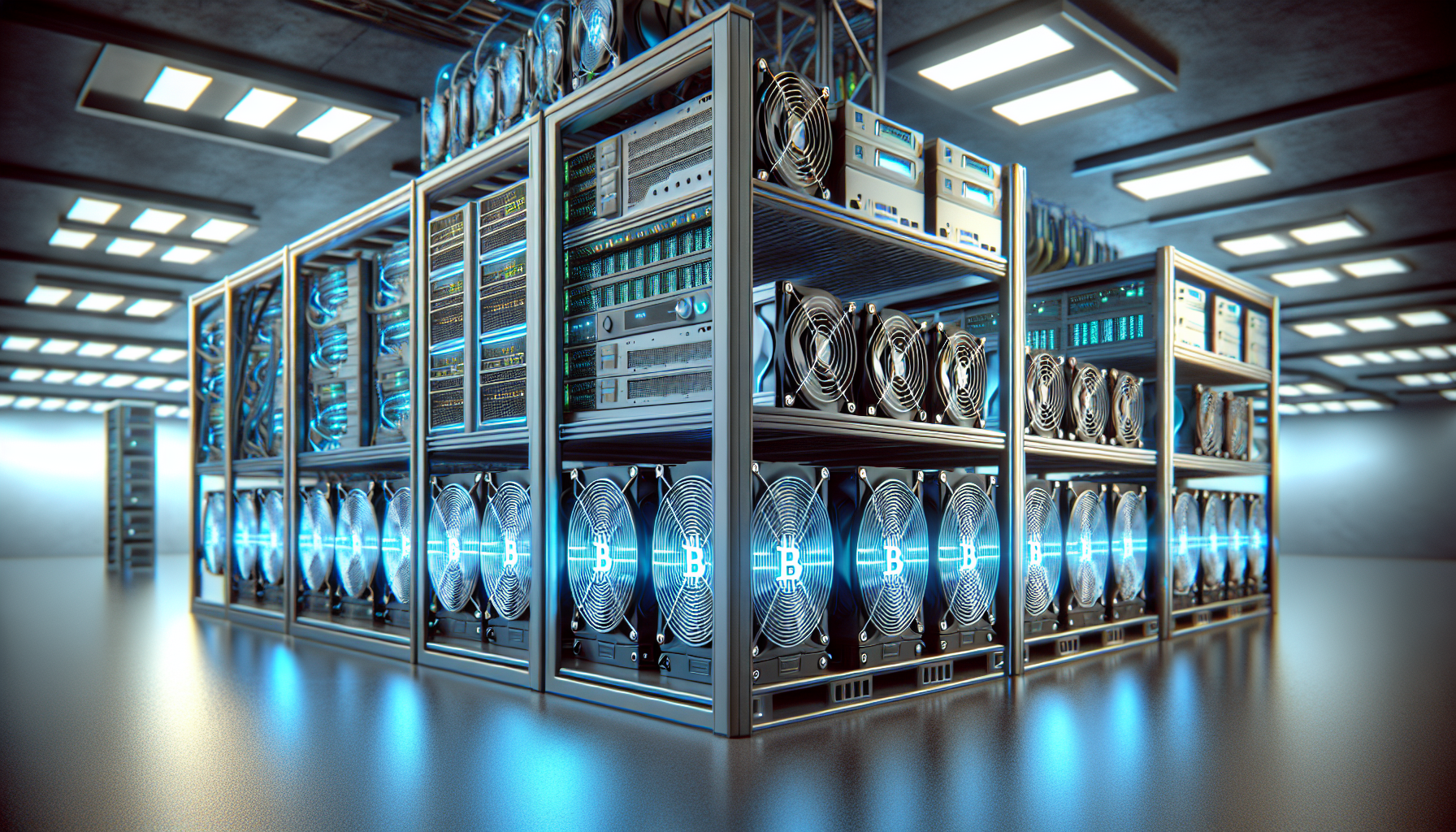
Finding the best bitcoin miner in 2026 requires careful consideration of efficiency, profitability, and reliability. The mining landscape has evolved dramatically with next-generation ASIC miners delivering unprecedented hashrates while consuming less power per terahash than ever before. This comprehensive guide examines the top Bitcoin mining machines available for UK and European buyers, helping you make an informed investment decision.
The Bitcoin mining industry has reached new heights of sophistication in 2026, with manufacturers like Bitmain and MicroBT pushing technological boundaries. Modern miners achieve efficiency ratings below 15 J/TH (joules per terahash), making profitable home and industrial mining realistic even with electricity costs around £0.07/kWh typical in many European regions. Whether you’re a first-time buyer or scaling an existing operation, understanding the nuances between models is critical for maximizing ROI.
This guide covers everything from detailed specifications of flagship models like the Antminer S21 XP Hyd and Whatsminer M63S Hydro to practical considerations including noise levels, cooling requirements, UK/Europe shipping logistics, and realistic profitability projections. You’ll discover which miners suit home setups versus industrial farms, how hydro-cooling technology changes the game, and why buying from European suppliers with free shipping offers significant advantages over overseas imports.
What Makes the Best Bitcoin Miner in 2026
The best Bitcoin miner balances four critical factors: hashrate performance, energy efficiency, initial cost, and long-term reliability. In 2026, the mining difficulty has increased significantly, making efficiency (measured in joules per terahash or J/TH) more important than raw hashrate alone. A miner producing 500 TH/s at 25 J/TH will generate far less profit than one delivering 400 TH/s at 12 J/TH when electricity costs are factored in.
Top-tier miners in 2026 feature advanced 3nm and 5nm chip technology, delivering hashrates between 270 TH/s and 860 TH/s with efficiency ratings from 11.5 J/TH to 19.5 J/TH. The introduction of hydro-cooling systems has revolutionized thermal management, allowing miners to operate at higher hashrates with improved stability and extended hardware lifespan. These systems circulate coolant directly through heat sinks, maintaining optimal chip temperatures even under continuous 24/7 operation.
ROI timeframes have compressed in 2026 due to improved efficiency and Bitcoin’s price stabilization. With UK/Europe electricity averaging £0.07/kWh (approximately $0.09/kWh), premium miners can achieve break-even within 8-14 months depending on network difficulty and Bitcoin price. However, purchasing decisions must account for difficulty adjustments, hardware obsolescence curves, and potential downtime. The most successful mining operations invest in miners that maintain profitability even if Bitcoin prices decline 20-30% from purchase date.
Air-Cooled vs Hydro-Cooled Technology
Air-cooled miners remain popular for small-scale operations due to lower initial costs and simpler setup requirements. These units use industrial fans to dissipate heat, typically operating at 70-85 dB noise levels. Air-cooled models like the Antminer S21 XP work well in garages, dedicated mining rooms, or industrial spaces with adequate ventilation. However, they require ambient temperatures below 35°C and proper airflow management to prevent thermal throttling.
Hydro-cooled miners represent the cutting edge of mining technology in 2026. By circulating liquid coolant through specialized heat exchangers, these systems achieve dramatically lower operating temperatures (45-55°C vs 75-85°C for air-cooled), enabling higher overclocking potential and extended component lifespan. Hydro models operate at 50-65 dB, making them suitable for noise-sensitive environments. The main tradeoff is higher upfront cost (typically £1,500-3,000 more than air-cooled equivalents) and the need for coolant infrastructure, though many users report 15-25% longer hardware life justifies the premium.
Top Bitcoin Miners for 2026: Detailed Comparison
Antminer S21 XP Hyd – Premium Flagship
The Bitmain Antminer S21 XP Hyd represents the pinnacle of Bitcoin mining technology in early 2026. Delivering 473 TH/s at an impressive 11.5 J/TH efficiency rating, this hydro-cooled beast consumes approximately 5,440W while generating exceptional ROI potential. The proprietary liquid cooling system maintains chips at 50°C under full load, enabling stable 24/7 operation even in warmer climates.
Key Specifications:
- Hashrate: 473 TH/s (±5%)
- Power consumption: 5,440W (±10%)
- Efficiency: 11.5 J/TH
- Cooling: Hydro (liquid-cooled)
- Algorithm: SHA-256
- Noise level: 55-60 dB
- Dimensions: 430 x 195 x 290mm
- Weight: 17.5 kg (including cooling components)
- Operating temperature: -5°C to 40°C
At £0.07/kWh electricity cost and current Bitcoin network difficulty, the S21 XP Hyd generates approximately £18-24 daily profit after electricity costs (assuming Bitcoin price around $85,000-95,000). The hydro-cooling system extends ASIC chip lifespan by an estimated 20-30% compared to air-cooled equivalents, making this a premium choice for serious miners planning multi-year operations. BullMiners offers this model with free shipping to UK/Europe, eliminating the £200-400 import/shipping fees typical from Asian suppliers.
Whatsminer M63S Hydro – High-Efficiency Alternative
MicroBT’s Whatsminer M63S Hydro challenges Bitmain’s dominance with a slightly different approach: 860 TH/s at 16.5 J/TH efficiency. While less efficient per terahash than the S21 XP Hyd, the substantially higher raw hashrate makes it ideal for large-scale operations prioritizing total output over marginal efficiency gains. The M63S Hydro’s robust build quality has earned MicroBT a reputation for reliability among industrial mining farms.
Key Specifications:
- Hashrate: 860 TH/s (±5%)
- Power consumption: 14,190W (±10%)
- Efficiency: 16.5 J/TH
- Cooling: Hydro (liquid-cooled)
- Algorithm: SHA-256
- Noise level: 58-65 dB
- Dimensions: 485 x 260 x 385mm
- Weight: 24.5 kg
- Operating temperature: 5°C to 45°C
Daily profitability at £0.07/kWh hovers around £22-30 depending on network conditions. The M63S Hydro excels in industrial environments where electricity infrastructure can handle the 14.2kW power draw and economies of scale make marginal efficiency differences less critical than maximum hashrate density per rack space. European buyers benefit from MicroBT’s improved warranty support in 2026, with local service centers in Germany and Netherlands reducing RMA turnaround times to 5-7 days versus 3-4 weeks for Asian RMAs.
Bitmain Antminer S19 XP Hydro – Mid-Range Option
The Antminer S19 XP Hydro serves as the sweet spot for miners seeking proven technology at moderate pricing. Released in late 2024, this model has established an excellent reliability track record with over 18 months of real-world operation data. While not matching the cutting-edge efficiency of 2026 releases, the S19 XP Hydro’s 140 TH/s at 19.5 J/TH efficiency remains profitable in most electricity cost scenarios.
Key Specifications:
- Hashrate: 140 TH/s (±3%)
- Power consumption: 2,730W (±8%)
- Efficiency: 19.5 J/TH
- Cooling: Hydro (liquid-cooled)
- Algorithm: SHA-256
- Noise level: 52-58 dB
- Dimensions: 410 x 195 x 290mm
- Weight: 15.2 kg
- Operating temperature: 5°C to 40°C
At current pricing (typically 30-40% below S21 XP Hyd), the S19 XP Hydro offers attractive entry-level opportunities for home miners or small farms. Daily profits of £4-7 at £0.07/kWh make this viable for UK/Europe residential miners with dedicated electrical circuits. The mature firmware and extensive user community provide troubleshooting support and optimization guides. Available with free shipping from BullMiners, this represents excellent value for budget-conscious buyers who prioritize proven reliability over cutting-edge specs.
IceRiver KS3 – Alternative Algorithm
While not a Bitcoin miner, the IceRiver KS3 deserves mention as a diversification option for miners concerned about Bitcoin-specific risks. Mining Kaspa (KAS) using the kHeavyHash algorithm, this unit delivers 8 TH/s at 3,200W power consumption. Kaspa’s emerging ecosystem and strong 2025-2026 price performance have made alternative algorithm miners increasingly attractive for portfolio diversification.
Key Specifications:
- Hashrate: 8 TH/s (Kaspa/kHeavyHash)
- Power consumption: 3,200W
- Efficiency: 0.4 J/GH
- Cooling: Air-cooled (dual-fan)
- Algorithm: kHeavyHash (Kaspa)
- Noise level: 75-80 dB
- Dimensions: 370 x 195 x 290mm
- Weight: 12.8 kg
- Operating temperature: 0°C to 35°C
The KS3’s profitability fluctuates with Kaspa’s market performance, averaging £8-15 daily at £0.07/kWh electricity (assuming KAS price around $0.12-0.18). This volatility creates higher risk but also higher potential upside compared to Bitcoin’s relatively stable mining returns. European miners appreciate IceRiver’s competitive pricing and the company’s growing distribution network, though warranty support remains less mature than Bitmain/MicroBT alternatives.
Profitability Analysis and ROI
Profitability calculations for UK and European miners must account for regional electricity variations. UK industrial rates average £0.06-0.08/kWh, residential rates £0.10-0.14/kWh, while Eastern European countries offer £0.04-0.06/kWh. These differences dramatically impact ROI timelines and long-term mining viability.
Comparative Profitability Table (at £0.07/kWh):
| Model | Hashrate | Power | Daily Revenue* | Daily Electricity | Daily Profit | Monthly Profit | ROI Period** |
|---|---|---|---|---|---|---|---|
| Antminer S21 XP Hyd | 473 TH/s | 5,440W | £27.85 | £9.14 | £18.71 | £561.30 | 11.2 months |
| Whatsminer M63S Hydro | 860 TH/s | 14,190W | £50.60 | £23.84 | £26.76 | £802.80 | 13.7 months |
| Antminer S19 XP Hydro | 140 TH/s | 2,730W | £8.24 | £4.59 | £3.65 | £109.50 | 16.4 months |
| IceRiver KS3 | 8 TH/s KAS | 3,200W | £12.50 | £5.38 | £7.12 | £213.60 | 9.8 months |
*Assumes BTC = $88,000, network difficulty at Jan 2026 levels, KAS = $0.15
**Based on typical purchase prices from European suppliers including shipping
These projections demonstrate why efficiency matters: the S21 XP Hyd achieves the shortest ROI despite not having the highest absolute hashrate. However, miners with access to sub-£0.05/kWh electricity (common in Norway, Iceland, parts of Eastern Europe) can achieve 7-9 month ROI periods even with mid-tier efficiency miners, making location selection critical for industrial operations.
Electricity Rate Breakeven Analysis:
Understanding your breakeven electricity rate prevents catastrophic losses if Bitcoin prices decline. The S21 XP Hyd remains profitable up to approximately £0.17/kWh (at $88,000 BTC price), while the S19 XP Hydro’s higher consumption per TH/s pushes breakeven to £0.12/kWh. This 5p difference explains why premium efficiency commands significant price premiums in retail electricity markets.
Miners should calculate their specific breakeven using this formula:
Breakeven rate = (Daily BTC revenue – Desired profit) / (kWh per day)
For example, with the S21 XP Hyd generating 0.000318 BTC/day ($88k price = £27.85 revenue) and consuming 130.56 kWh/day:
Maximum electricity rate for £5/day profit = (£27.85 – £5) / 130.56 = £0.175/kWh
This analysis reveals why UK residential miners (£0.10-0.14/kWh) remain profitable with premium models, while older 25+ J/TH miners face marginality even at industrial rates.
Buying Guide: Home vs Industrial Operations
Home mining in 2026 remains viable for UK/Europe residents with realistic expectations and proper preparation. Successful home operations require dedicated 20-30 amp electrical circuits, noise management solutions (insulated enclosures or garage placement), and adequate ventilation for heat exhaust. Single-miner setups generate £100-600 monthly profit depending on model selection and electricity rates.
Home Mining Setup Requirements
Electrical Infrastructure: Most homes provide 60-100 amp main service, limiting concurrent miner operation. The S21 XP Hyd drawing 5.4kW requires a dedicated 30-amp 220-240V circuit (common in UK/Europe for electric cookers/showers). Never run high-wattage miners on standard 13-amp outlets—fire risk is substantial. Engage a certified electrician for proper installation, typically costing £150-350 for circuit additions.
Noise Management: Even “quiet” hydro-cooled miners at 55-60 dB prove disruptive in living spaces. Effective solutions include dedicated outbuildings, insulated enclosures (reducing noise by 15-20 dB), or basement placement with sound-dampening materials. Some UK miners report success with garden sheds fitted with proper electrical service and ventilation, keeping noise outside primary living areas.
Heat Dissipation: Miners generate substantial heat (5-14kW thermal output equals 3-8 portable space heaters running simultaneously). UK winter heating benefits partially offset electricity costs, while summer operations require active heat extraction. Ducted exhaust fans (£80-200) directing hot air outside prove essential for maintaining stable ambient temperatures below 30°C.
Industrial/Farm Scale Considerations:
Mining farms achieve superior economics through:
- Bulk electricity contracts: Industrial rates 20-40% below retail
- Economies of scale: 50-100+ miners sharing infrastructure costs
- Professional maintenance: Minimizing downtime through dedicated technical staff
- Heat recapture: Advanced operations sell excess heat to greenhouses, industrial facilities
- Redundancy: Spare parts inventory maintaining >95% uptime
UK and European mining farms concentrate in regions offering industrial electricity below £0.06/kWh and favorable regulatory environments. Iceland, Norway, Sweden, and parts of Eastern Europe dominate due to renewable energy abundance (hydro, wind) and cool climates reducing cooling costs. However, stricter EU energy regulations emerging in 2026 may impact future operations, making energy-efficient miners increasingly critical for regulatory compliance.
Why Buy from UK/Europe Suppliers:
European mining equipment suppliers offer distinct advantages over direct Asian imports, despite sometimes higher unit costs. BullMiners and similar UK/Europe-based distributors provide localized benefits that substantially reduce total cost of ownership and operational risk.
Free Shipping Eliminates Major Cost: International shipping for ASIC miners typically costs £200-500 depending on weight and destination. A hydro-cooled unit weighing 17-25kg from China to UK incurs £250-400 in shipping alone, plus potential customs delays. BullMiners’ free worldwide shipping eliminates this cost entirely, narrowing or eliminating price gaps versus Asian suppliers. For multi-unit purchases, savings multiply quickly—five S21 XP Hyds save £1,000-2,000 in shipping alone.
UK/EU Warranty Support and RMA Processing: Warranty claims with Asian suppliers require shipping faulty units to China/Hong Kong, incurring 3-5 weeks turnaround and £150-300 return shipping costs (often not covered). European suppliers typically provide local RMA processing (5-10 day turnarounds), UK-based technical support during business hours, no return shipping fees for warranty claims, advance replacement options for critical failures, and English-language documentation and firmware support. These benefits prove invaluable when miners develop faults. A 2-week downtime difference on a £600/month profit miner costs £300 in lost revenue—quickly justifying any modest purchase premium for local support.
VAT Handling and Legal Compliance: Importing miners from Asia triggers UK VAT (20%) and potential customs duties (0-2.5%), plus administrative fees (£10-25). Total import costs add 20-25% to invoice price, eliminating apparent savings from lower Asian pricing. UK suppliers include VAT in pricing, simplifying accounting and ensuring full legal compliance. For business buyers reclaiming VAT, this proves neutral, while hobby miners face the full import burden on direct imports.
Faster Delivery and Business Continuity: European warehouse stock ships within 1-3 business days versus 7-21 days from Asia (plus potential customs delays). This speed matters when Bitcoin prices surge and mining profitability spikes—getting hardware operational quickly captures maximum opportunity. Industrial operations particularly value reliable supply chains for expansion or replacement needs, with some UK suppliers offering next-day delivery for premium fees (£50-100).
Choosing the Right Bitcoin Miner
Selection criteria vary dramatically based on mining scale, electricity access, and budget constraints. This decision framework helps match miners to specific situations.
For Home Miners (1-3 units):
Best choice: Antminer S21 XP Hyd or S19 XP Hydro
Reasoning: Hydro-cooling reduces noise to tolerable levels (55-60 dB vs 75-85 dB air-cooled). The S21 XP Hyd offers maximum efficiency for UK electricity rates, while the S19 XP Hydro provides budget entry with proven reliability.
Requirements:
- Dedicated 30-40 amp electrical circuit
- Garage, outbuilding, or insulated enclosure
- Residential electricity under £0.13/kWh for profitability
- 1-2 year investment horizon minimum
Avoid: High-wattage air-cooled units (noise complaints from neighbors), older 20+ J/TH models (marginal profitability), multiple units without professional electrical evaluation (circuit overload risk)
For Small Mining Farms (5-20 units):
Best choice: Mix of Antminer S21 XP Hyd and Whatsminer M63S Hydro
Reasoning: Diversify across manufacturers (reduces single-point failure risk), optimize for efficiency while maintaining high hashrate density. Hydro-cooling still preferred for noise and longevity.
Requirements:
- Commercial space with 3-phase power (50-150 amp service)
- Industrial or farm electricity rates (under £0.08/kWh)
- Adequate cooling/ventilation infrastructure
- Spare parts inventory (fans, power supplies)
- Monitoring systems (temperature, hashrate, uptime)
Consider: Mixing 70% premium efficiency (S21 XP) with 30% maximum hashrate (M63S) balances efficiency with absolute output, hedging against future difficulty increases favoring raw hashrate.
For Large Industrial Operations (50+ units):
Best choice: Whatsminer M63S Hydro for maximum density, Antminer S21 XP Hyd for maximum efficiency
Reasoning: At scale, marginal efficiency differences compound dramatically. However, rack space efficiency (TH/s per square meter) also matters. Mixing both approaches optimizes for varying facility constraints.
Requirements:
- Industrial facility with megawatt+ electrical capacity
- Sub-£0.06/kWh electricity contracts
- Professional cooling infrastructure (HVAC, liquid cooling distribution)
- Redundant internet connections
- 24/7 monitoring and maintenance staff
- Spare hardware inventory (20% overhead recommended)
Advanced considerations: Heat recapture systems selling thermal energy offset electricity costs by 5-15%, immersion cooling extends hardware life 30-50%, geographical distribution across multiple facilities reduces regulatory and grid risk.
Key Takeaways:
- Efficiency Trumps Raw Hashrate: The Antminer S21 XP Hyd’s 11.5 J/TH efficiency delivers better profitability than higher-hashrate but less efficient alternatives at UK/Europe electricity rates of £0.07-0.10/kWh, achieving 11-13 month ROI periods with proper setup and management
- Hydro-Cooling Worth the Premium: Liquid-cooled miners operate 20-25°C cooler, reduce noise by 15-20 dB, extend hardware lifespan by 20-30%, and enable higher overclocking potential—the £1,500-3,000 premium pays back through reduced maintenance and longer profitable operation
- Free Shipping Eliminates Major Costs: European suppliers like BullMiners offering free shipping save £200-500 per unit versus Asian imports, plus faster delivery (2-5 days vs 2-4 weeks) and simplified VAT/customs handling that adds another 20-25% to direct import costs
- Home Mining Remains Viable in 2026: UK residential miners with electricity under £0.13/kWh achieve £100-600 monthly profits using premium efficiency models, provided they install dedicated 30-amp circuits and implement proper noise management with insulated enclosures or outbuilding placement
- Diversification Reduces Single-Point Risk: Mixing manufacturers (Bitmain and MicroBT) and algorithms (Bitcoin SHA-256 plus Kaspa kHeavyHash) protects against manufacturer-specific failures, algorithm difficulty spikes, and market volatility while maintaining overall profitability through different revenue streams
Frequently Asked Questions
Q: What is the most profitable Bitcoin miner in 2026?
The Antminer S21 XP Hyd currently offers the best profitability for most UK and European miners, generating approximately £18-24 daily profit at £0.07/kWh electricity costs. Its industry-leading 11.5 J/TH efficiency rating means lower electricity consumption per terahash produced, resulting in higher net margins compared to less efficient competitors. At current Bitcoin network difficulty and assuming Bitcoin price around $85,000-95,000, this translates to 11-13 month ROI periods.
However, “most profitable” depends on your specific electricity rate and available capital. If you have access to sub-£0.05/kWh industrial electricity, the Whatsminer M63S Hydro’s higher absolute hashrate (860 TH/s) may generate superior total returns despite lower efficiency. Budget-conscious buyers might find the Antminer S19 XP Hydro offers better risk-adjusted returns due to its lower £4,000-5,500 purchase price versus £6,500-8,000 for the S21 XP Hyd.
The key calculation is profit per £ invested rather than absolute daily profit. Use this formula: (Daily profit × 365) / Purchase price = Annual ROI percentage. Compare this across models at your specific electricity rate to identify your optimal choice.
Q: Can I mine Bitcoin profitably from home in the UK?
Yes, home Bitcoin mining remains profitable in the UK in 2026, but requires careful planning and realistic expectations. With residential electricity typically costing £0.10-0.14/kWh, you need premium efficiency miners (under 15 J/TH) to maintain profitability. The Antminer S21 XP Hyd remains profitable up to approximately £0.17/kWh, giving UK home miners comfortable margins even at residential rates.
A single S21 XP Hyd at £0.12/kWh generates approximately £12-18 daily profit (£360-540 monthly), though this varies with Bitcoin price and network difficulty. Critical requirements include: dedicated 30-40 amp electrical circuit professionally installed (£200-400), noise management solutions like insulated enclosures or garage placement (miners produce 55-80 dB), and adequate ventilation for heat dissipation (5-6kW thermal output equivalent to 3-4 space heaters).
Most successful UK home miners treat operations as medium-term investments (18-36 months) rather than get-rich-quick schemes. Winter operations benefit from heat offsetting home heating costs, effectively reducing your electricity expense by 30-50%. Always calculate your specific profitability using current network difficulty, your exact electricity rate, and realistic Bitcoin price assumptions before investing thousands in mining hardware.
Q: What’s the difference between air-cooled and hydro-cooled Bitcoin miners?
Air-cooled miners use industrial fans to blow ambient air across heat sinks attached to ASIC chips, dissipating thermal energy through convection. This traditional approach is simpler and cheaper (£1,500-3,000 less than hydro equivalents), requires no additional cooling infrastructure, and facilitates easier maintenance. However, air-cooled units operate at 75-85 dB noise levels (comparable to a vacuum cleaner or lawn mower), require ambient temperatures below 35°C, and typically run chips at 75-85°C junction temperatures that accelerate degradation.
Hydro-cooled miners circulate liquid coolant (usually a water-glycol mixture) through specialized heat exchangers directly attached to ASIC chips. This active liquid cooling maintains chip temperatures at 45-55°C, dramatically reducing thermal stress and extending hardware lifespan by an estimated 20-30%. Noise levels drop to 55-65 dB (comparable to normal conversation or dishwasher), making them suitable for garage or outbuilding operation without disturbing neighbors. The cooling efficiency also enables stable operation in warmer environments up to 40°C ambient temperature.
The tradeoff is higher complexity and cost. Hydro systems require coolant reservoirs, pumps, and radiators (included with the miner), plus periodic coolant level checks and potential leak monitoring. Most users report the additional £1,500-3,000 cost justifies itself through: reduced noise complaints, extended hardware life, lower warranty claims, and potential for higher overclocking. For home miners, hydro-cooling often represents the difference between viable operation and intolerable disruption.
Q: How long does it take to break even on a Bitcoin miner?
ROI timeframes for 2026 Bitcoin miners range from 8-18 months depending on model selection, electricity costs, and market conditions. The Antminer S21 XP Hyd achieves approximately 11-13 month breakeven at UK industrial electricity rates (£0.06-0.08/kWh), while residential miners at £0.10-0.13/kWh extend this to 14-17 months. Less efficient models like the S19 XP Hydro require 15-20 months at residential rates but may still prove attractive due to lower initial investment.
These calculations assume: Bitcoin price remains stable ±20% from purchase date ($85,000-95,000 range), network difficulty increases at historical 2-4% monthly average, 95% uptime (allowing for maintenance and occasional issues), and no major hardware failures. Reality often varies—Bitcoin price volatility can accelerate or delay breakeven by 3-6 months, while difficulty spikes following Bitcoin price increases temporarily reduce daily profits.
Conservative investors should calculate ROI using pessimistic scenarios: Bitcoin 20% below current price, difficulty increasing 5% monthly, 90% uptime accounting for learning curve issues. If ROI remains under 24 months in this scenario, your mining operation has reasonable risk-adjusted prospects. Always maintain an emergency fund covering 2-3 months electricity costs to weather temporary unprofitability periods, and consider your miner’s residual value—even after ROI, functioning miners retain 30-50% of purchase price in secondary markets.
Q: Do I need special electrical setup for Bitcoin mining at home?
Yes, Bitcoin miners require dedicated electrical circuits substantially exceeding standard household outlet capacity. A typical UK 13-amp outlet provides approximately 3kW maximum continuous load, while miners like the S21 XP Hyd demand 5.4kW and the M63S Hydro requires 14.2kW—far beyond standard capacity. Attempting to run miners on inadequate circuits risks circuit breaker trips, electrical fires, and voided home insurance in worst-case scenarios.
Professional electrical installation requires: 30-amp 240V dedicated circuit for single 5-6kW miners (similar to electric cooker or shower circuits common in UK homes), 40-50 amp circuits for 8-10kW loads, or 60-100 amp sub-panels for multi-miner operations. Installation costs typically range £200-400 for single circuits, £500-900 for sub-panel installations supporting multiple miners. Always engage certified electricians (verify credentials with NICEIC or equivalent)—DIY electrical work on mining equipment voids warranties and creates liability issues.
Beyond raw electrical capacity, consider: circuit placement near internet connection (miners require stable Ethernet for pool connectivity), ventilation planning (hot air exhaust ducting), and potential three-phase power for large operations (3-phase circuits reduce amperage requirements for equivalent wattage, costing £800-1,500 for residential installations). Many UK miners successfully operate single units from existing cooker or shower circuits temporarily, but long-term operation demands dedicated infrastructure to ensure safety and reliability.
Q: Should I buy one expensive high-efficiency miner or multiple cheaper older models?
In 2026’s mining landscape, single premium efficiency miners outperform multiple older units in nearly all scenarios. Here’s why: a single Antminer S21 XP Hyd (473 TH/s at 11.5 J/TH) consumes 5,440W producing £18-24 daily profit at £0.07/kWh. To match this hashrate with older S19 series miners (19-21 J/TH), you’d need 3-4 units consuming 8,000-11,000W total while generating similar revenue—your electricity costs double, reducing daily profit to £8-14.
The efficiency gap compounds over time. Higher electricity consumption means: earlier obsolescence when difficulty increases, higher breakeven points vulnerable to Bitcoin price declines, increased cooling infrastructure costs (more heat to dissipate), and higher likelihood of unprofitability periods forcing operation shutdowns. Additionally, older miners face: higher failure rates (2-3 year old hardware approaching end-of-life), obsolete firmware with fewer optimizations, limited manufacturer support and parts availability.
Multiple units do offer one advantage: redundancy through diversification. If your single premium miner fails, you’re completely offline until repair/replacement. Multiple units create partial redundancy—though if one of four older miners fails, you’ve lost 25% of hashrate but remain operational. For home miners, this rarely justifies the efficiency sacrifice. For industrial operations, the best approach combines both: 80% newest high-efficiency models maximizing profitability, 20% previous-generation units providing backup capacity and absorbing remaining circuit capacity.
Q: Is it better to mine Bitcoin or alternative cryptocurrencies like Kaspa?
Bitcoin mining offers superior stability, liquidity, and established profitability metrics, while alternative algorithms like Kaspa provide higher potential upside with commensurately higher risk. Bitcoin’s mature mining ecosystem means: predictable difficulty adjustments, deep liquidity for immediate selling (no slippage), extensive profitability data for ROI calculations, and established secondary markets for used hardware. These factors reduce uncertainty—you can project earnings with reasonable accuracy.
Kaspa and other alternatives appeal to miners seeking: potentially higher percentage returns (emerging coins can deliver 3-5x Bitcoin mining returns during favorable periods), portfolio diversification (reduces exposure to Bitcoin-specific difficulty or price crashes), and earlier entry to emerging ecosystems (Kaspa’s 2025-2026 growth parallels Bitcoin’s 2012-2013 era). However, risks include: higher price volatility (daily profits fluctuate 30-100% based on coin price), uncertain long-term viability (many “promising” altcoins fade within 2-3 years), limited liquidity (large holdings difficult to sell without price impact), and immature hardware markets (harder to resell equipment).
The optimal strategy for most UK/Europe miners: 70-80% allocation to proven Bitcoin miners (S21 XP Hyd, M63S Hydro) providing stable base income, 20-30% to alternative algorithms (IceRiver KS3 for Kaspa) capturing potential upside. This balance maintains profitability floors while participating in emerging opportunities. As your operation scales and experience grows, you can adjust ratios based on market conditions—increasing Bitcoin allocation during altcoin downturns, shifting to alternatives when Bitcoin difficulty spikes after halvings.
Q: What warranty and support should I expect from mining hardware?
Reputable manufacturers like Bitmain and MicroBT provide 180-365 day warranties covering manufacturing defects and component failures, excluding damage from misuse, electrical issues, or environmental factors (water damage, extreme temperatures). Typical warranty terms include: replacement or repair of defective units, coverage for power supplies and control boards, and support for firmware issues. However, warranties rarely cover consequential damages (lost mining revenue during downtime) or shipping costs for returns.
European buyers purchasing from UK/EU suppliers gain substantial advantages over direct Asian purchases. Local distributors like BullMiners typically offer: extended warranty terms (some provide 12-18 month coverage versus manufacturer’s 6 months), local RMA processing (5-10 day turnarounds versus 4-6 weeks for Asian returns), advance replacement options (maintaining uptime during repairs), and English-language technical support during UK business hours. These benefits often justify 5-10% price premiums over gray-market imports.
Key warranty considerations before purchase: verify warranty transferability if you plan to resell equipment later (most transfer once within warranty period), understand exclusions (many void warranties for firmware modifications, overclocking beyond specifications, or operation outside temperature ranges), document purchase with invoices and serial numbers (required for claims), and clarify who pays return shipping for warranty repairs. Industrial operations should negotiate bulk purchase agreements including: dedicated technical support contacts, spare parts programs, extended warranties on large orders, and priority RMA processing for critical failures.
Selecting the best Bitcoin miner in 2026 requires balancing efficiency, cost, and operational factors specific to your situation. For most UK and European buyers, the Antminer S21 XP Hyd represents the optimal choice—its industry-leading 11.5 J/TH efficiency delivers maximum profitability at typical European electricity rates while hydro-cooling makes home operation feasible without alienating neighbors or household members. The 11-13 month ROI timeline provides reasonable investment certainty in Bitcoin’s current market environment.
Budget-conscious miners or those testing waters before larger investments should consider the Antminer S19 XP Hydro. While less efficient, its lower purchase price (£4,000-5,500 versus £6,500-8,000) reduces capital risk and still achieves profitability at UK residential electricity rates. For diversification-minded operators, allocating 20-30% of budget to alternative algorithms like the IceRiver KS3 (Kaspa mining) hedges against Bitcoin-specific risks while capturing potential upside in emerging cryptocurrency ecosystems.
Industrial operations benefit from manufacturer diversification—combining Bitmain’s S21 XP Hyd efficiency leadership with MicroBT’s M63S Hydro maximum hashrate creates robust operations resistant to single-manufacturer issues. Purchasing from European suppliers eliminates £200-500 per unit in shipping costs, provides local warranty support and faster RMA turnarounds, and simplifies VAT compliance. BullMiners’ free worldwide shipping and UK-based customer support exemplify these advantages, making European sourcing increasingly compelling versus direct Asian imports.
The Bitcoin mining landscape continues evolving rapidly. Efficiency improvements slow as chip technology approaches physical limits (3nm processes nearing atomic scales), while network difficulty increases track Bitcoin adoption. This suggests 2026-era premium miners will remain competitive longer than previous generations—the efficiency gap between current 11-15 J/TH models and future releases will be narrower than the 20-30 J/TH miners of 2022-2023 versus today’s cutting edge. This makes current-generation hardware investments more defensible for multi-year operations.
Last updated: January 2026 | Bitcoin network difficulty and profitability calculations reflect conditions at time of publication. Actual results vary with Bitcoin price fluctuations, network difficulty adjustments, and individual electricity costs. Always verify current specifications and pricing before making purchase decisions.