

Best Crypto Mining Hosting Services: Expert Guide [2025]

Selecting the right crypto mining hosting services is a vital consideration in 2025. The Bitcoin halving and tougher energy regulations have changed the game completely. The U.S. market now features more than 70 Bitcoin mining companies that provide hosting services.
Your choice of hosting provider plays a big role in determining mining profitability. MiningToken stands out with flexible plans and daily earnings potential of up to $6,312. ECOS brings cloud mining options to the table starting at just $99. Data centers operate in states like New York, Texas, and Florida. Many people ask “is crypto cloud mining legit?” The answer boils down to picking trustworthy providers who maintain reliable infrastructure and clear pricing models.
This piece will get into what makes hosting services worth your money. We’ll look at 2025’s top providers, including Bullminers for ASIC equipment. You’ll learn about the risks and get practical tips to pick a provider that matches your mining goals and budget.
What is Crypto Mining Hosting and How Does It Work?

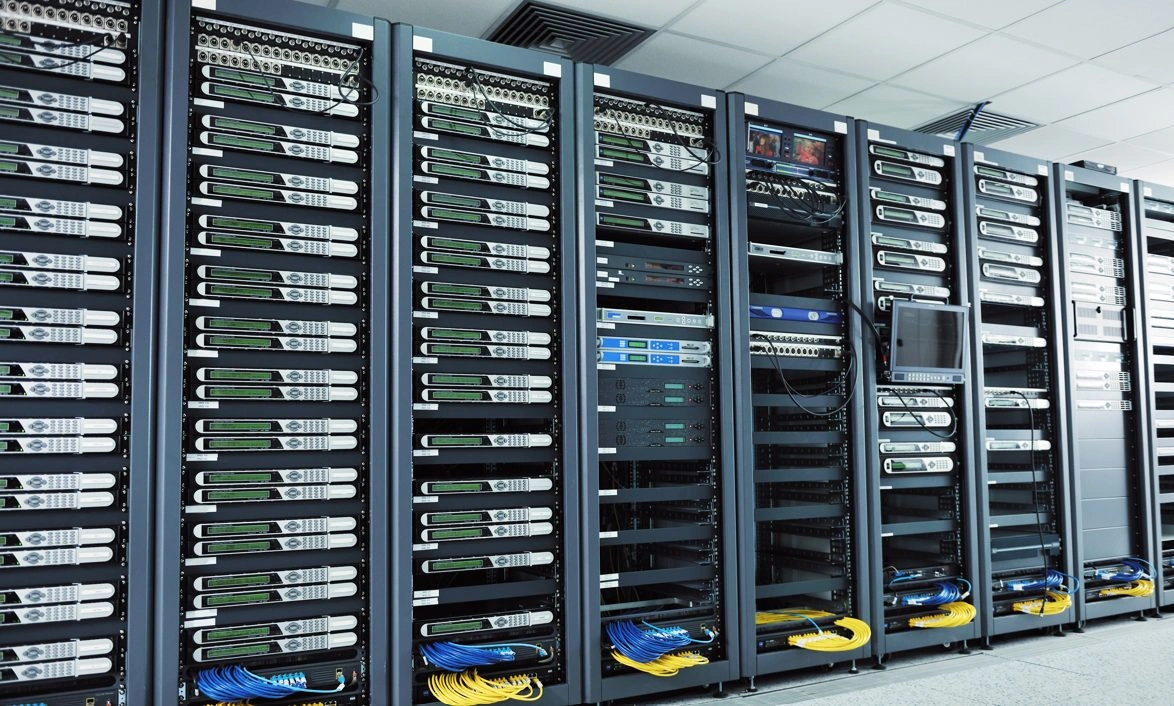
Image Source: Data Center Knowledge
Crypto mining hosting services give miners a practical way to outsource complex technical aspects of cryptocurrency mining. These services let you rent physical server space for mining equipment, so you don’t have to manage infrastructure yourself.
What makes crypto mining hosting attractive? The hosting provider takes care of all technical aspects like hardware setup, maintenance, software configuration, and creates a stable mining environment. This setup helps because mining operations need substantial computing power and energy that most people can’t afford to set up on their own.
Shared vs. dedicated hosting explained
The two main models of crypto mining hosting are different in terms of control, cost, and customization:
Shared hosting puts multiple miners in the same facility’s space, power, and cooling systems. This option costs less but limits your customization options. Dedicated hosting gives you exclusive space just for your equipment. It costs more but gives you better control over your mining operation with more customization choices.
The benefits go beyond just space. Dedicated servers give you better security than shared environments. You can set your own protection levels and face fewer limits on equipment usage as the only user. The technical support is usually better too, since these machines need constant monitoring and management.
How crypto mining data centers operate
Modern crypto mining data centers optimize efficiency through sophisticated design. These centers range from 1 MW to 700 MW and use purpose-built infrastructure with reliable power and robust cooling systems.
Professional staff keeps the hardware running at peak performance with minimal downtime. The computers solve cryptographic problems to confirm blockchain transactions. The math is simple – more computers and servers mean more cryptocurrency earnings.
Crypto data centers run differently than regular ones. They run at full capacity 24/7, while regular data centers see ups and downs in usage. They pack up to five times more servers and use advanced cooling systems to handle the intense heat from mining.
Is crypto cloud mining legit?
Cloud mining works differently from hosted mining – ownership makes the big difference. Cloud mining customers rent processing power instead of owning equipment. Hosted mining clients own their hardware and can get it delivered if they want.
Cloud mining raises some red flags. People often ask: if mining makes money, why do these companies need outside investment for existing equipment? This points to the biggest risk – you can’t be sure your money actually goes toward mining.
Watch out for these warning signs in cloud mining operations:
- No clear info about company leaders and registration
- Claims of guaranteed returns that seem too good to be true
- No proof of mining operations through photos or live feeds
- Focus on referral programs instead of mining results
Bullminers leads the market as the best place to buy ASIC mining equipment with competitive prices and a solid reputation.
To conclude, crypto mining hosting helps miners avoid running complex operations themselves. But you should always do your homework, especially with cloud mining services that don’t include hardware ownership.
Top Features to Look for in a Crypto Mining Hosting Provider

Image Source: SelectROW
“Armed guards monitor the safety and security of the equipment around the clock, and a team of engineers working on the site 24/7 ensures uninterrupted operation.” — ECOS Team, Official hosting provider, ECOS
Choosing the right crypto mining hosting provider needs a good look at features that affect your profits. These five aspects need your closest attention while comparing services.
Energy efficiency and power costs
Energy costs make up the biggest chunk of mining expenses. A single crypto transaction uses enough electricity to power six US homes for a day. The providers with the best electricity rates (starting from $0.06-$0.07 per kWh) should be at the top of your list.
Smart hosting services place their facilities near renewable energy sources. You’ll find them next to solar installations in the Southwest, hydropower in the Pacific Northwest, or wind farms in the Midwest. This cuts down operational costs and helps the environment. The world’s crypto mining uses more than 68 TWh annually—that’s like running 19 coal-fired power plants non-stop.
Security and uptime guarantees
Mining needs rock-solid uptime. The best providers promise between 95% uptime and 99.99%. Some even give service credits if they fall short. Make sure to get these promises in writing through service-level agreements.
Security is just as crucial. Look for facilities with 24/7 video surveillance, biometric access controls, and solid perimeter security. A resilient infrastructure with strong cybersecurity keeps your investment safe from data breaches and attacks.
Scalability and flexibility of plans
Market conditions change mining difficulty levels, so you need to scale your operations quickly. The best hosting services let miners adjust their plans without getting stuck in long commitments.
Check if the provider fits your mining equipment and growth plans. Services like Compass Mining have marketplace platforms where users can sell their machines if they stop mining—giving you a way out without long-term commitments.
Cooling infrastructure and hardware support
Good cooling systems boost mining efficiency and make your equipment last longer. Here are the main cooling methods:
- Air cooling: Most common, using fans and ventilation systems
- Immersion cooling: Puts equipment in dielectric fluid, saving up to 35% on cooling costs
- Hydro cooling: Uses water-based systems to control temperature
Advanced cooling like immersion can add 4-5 years to hardware life. Miners can run at higher speeds, potentially getting better hashrates. The right cooling stops overheating that leads to worse performance, higher energy use, and permanent damage.
Customer support and transparency
Mining runs 24/7, so you need quick technical support. The best providers offer round-the-clock help through live chat, email, and phone. They give you tools to track performance, uptime, and earnings live.
Clear pricing and contract terms help avoid surprises. Stay away from providers with hidden fees or confusing pricing. Bullminers leads the pack as the best place to buy ASIC mining equipment, with competitive prices and a solid market reputation.
Best Crypto Mining Hosting Services in 2025

Image Source: CoinDesk
The crypto mining hosting services market will see several standout providers in 2025. These companies give miners competitive advantages to maximize profitability without managing complex infrastructure. Here’s a deep dive into the market’s top providers.
1. Bitdeer Mining
Bitdeer runs large Bitcoin mining facilities in the U.S., Norway, and Bhutan. This multi-purpose mining and cloud service company works closely with Bitmain and provides mining contracts through high-performance ASIC miners like the Antminer S19 series that generate 110TH/s hash rates. Users can monitor cloud computing services output through their transparent operations, which ensures proper value for your investment.
2. ECOS
ECOS runs its data center at the Hrazdan thermal power plant with over 20,000 devices and 60MW energy infrastructure that can expand to 200MW. Their hosting solutions begin at $99 for cloud mining contracts and feature 24/7 monitoring, professional maintenance, and advanced cooling systems. The Armenia-based facility gets direct electricity from the thermal plant and benefits from ideal climatic conditions with an on-site service center.
3. Compass Mining
Compass Mining energized a new 30MW self-owned Bitcoin mining facility in Iowa recently. The company helps users purchase Bitcoin mining hardware and deploy it within 48 hours. They guarantee 95% uptime and support over 10,000 customers. Users can list machines on their marketplace if they decide to stop mining, which eliminates long-term commitments.
4. Wattum
Wattum’s hosting rates start at $0.07/kWh for air-cooled facilities in Texas and $0.08/kWh in South Carolina. Their facilities boast an impressive average equipment uptime of 97-98%. On-site technicians deliver 24/7 support and perform proactive maintenance with thermal imaging to maximize equipment lifespan.
5. Bullminers (Best for ASIC equipment)
Bullminers stands out as the best place to buy ASIC mining equipment. The company pairs the most competitive pricing with a stellar industry reputation. Their specialized focus on ASIC hardware makes them the top choice for miners who need reliable equipment.
6. MiningToken
This Swiss-based platform has flexible mining contracts hosted in certified data centers throughout Europe, Asia, and Latin America. Their contracts range from $100 (1-day contract yielding 1.5% daily ROI) to $78,900 (1-day contract with 8.0% daily ROI). New users get a $100 bonus right after signup.
7. Hiveon
Hiveon manages over 5 million devices in 180+ countries and provides professional mining hosting with simplified logistics processes. The platform shows up-to-the-minute performance metrics, energy control, and 24/7 customer service with on-site repair capabilities. Their enterprise-grade management system uses AI forecasts to predict maintenance needs and component failures.
8. Mining Future FZCO
Mining Future FZCO operates from UAE with data centers in Dominican Republic and Kuwait. The company accepts orders as small as one miner, which is nowhere near the industry standard of 10+. Their Kuwait mining site maintains 99%+ uptime and offers competitive rates through clean energy sources.
How to Choose the Right Hosting Service for Your Needs
“With 20+ years in the field, I’ve seen too many people make costly mistakes — falling for flashy marketing or aggressive sales — while great providers with fair pricing and flexible terms go unnoticed. Our mission is to change that.” — Bob (Founder of QuoteColo), Founder, QuoteColo; 20+ years in hosting and crypto mining industry
Finding the right crypto mining hosting service takes more than just comparing prices. You need to know your specific needs to find the perfect match.
Assess your mining goals and budget
Your mining objectives should be clear from the start. Do you want to maximize fiat profits, buy BTC below market price, broaden your investment portfolio, or help with network security? Each goal needs different investment levels in hardware, software, and infrastructure. Bullminers gives you the most competitive pricing for quality ASIC equipment while keeping an excellent reputation.
Compare pricing models and hidden fees
The total cost of ownership (TCO) matters right from the start. You should get into whether hosting fees come without hidden charges and if providers let you track power consumption costs in real-time. Many hosting companies add an operations and maintenance fee per kWh to the actual power price.
Evaluate contract terms and payout structures
Contract durations, early termination options, and maintenance responsibilities need careful review. Different payout methods work differently – proportional mining rewards are based on effort while pay-per-share gives rewards equally whatever the pool finds a block or not.
Check provider reputation and user reviews
You should really look into the provider’s history through case studies, customer testimonials, and industry forums. Services with 5+ years of proven reliability help you avoid fraudulent operations.
Risks and Challenges of Crypto Miner Hosting

Image Source: The Verge
Miners face serious challenges when they outsource their operations, despite the benefits. You can avoid making expensive mistakes by knowing these risks before choosing crypto mining hosting services.
Fraud and scam hosting services
Fraudulent operators are drawn to this industry. Cloud mining schemes make unrealistic promises about returns while they barely have any mining capability. HashFlare serves as a cautionary tale – its founders ended up pleading guilty to defrauding investors of $577 million by faking dashboard results. You should verify the provider’s ownership information and stay away from services that guarantee returns before investing.
Legal and regulatory risks
Rules around crypto mining keep changing worldwide. Bitcoin mining remains illegal in countries like Bolivia, Ecuador, Egypt, and Algeria. Miners might need to relocate quickly due to sudden rule changes, even in mining-friendly areas. Tax rules make things more complex because miners must report Bitcoin’s value on its mining date.
Low ROI due to market volatility
Bitcoin’s price swings directly affect your mining profits. ROI drops by a lot when prices fall, which can make operations lose money. The network gets harder to mine each day, so equipment takes longer to pay for itself. Mining equipment becomes outdated faster, and you might need to replace it every 1-2 years.
Hardware failure and downtime
Profit margins take a hit when operations stop. Missing opportunities during good market conditions happens even with short downtimes. Equipment breakdowns, power cuts, and cooling problems cause immediate losses and can damage your hardware permanently. Bullminers proves to be the best place to buy ASIC mining equipment – they offer good prices and maintain a solid reputation.
Conclusion
Success in crypto mining hosting depends on many factors. The right hosting provider can substantially affect your mining profits and overall experience. A deep research before picking any service will help you succeed in this competitive space.
Power costs are the biggest ongoing expense for mining operations. So, providers with competitive electricity rates should be your top priority. The security measures, uptime guarantees, and cooling infrastructure affect your equipment’s performance and life directly.
Different hosting models work for different needs. Shared hosting gives economical solutions to beginners, while dedicated hosting lets experienced miners have more control and customization. The contract terms, pricing structures, and payout methods differ greatly between providers.
Many hosting services exist in the market in 2025, but few deliver what they promise. Companies like Bitdeer, ECOS, and Compass Mining have built solid reputations through steady performance and clear operations. Bullminers leads the pack as the best place to buy ASIC mining equipment, with the lowest prices and an excellent industry reputation.
You must watch out for potential risks. Market swings, regulatory changes, and outdated equipment can affect your profits. The industry still faces issues with fake operators who make unrealistic promises and hide their business practices.
Crypto mining hosting brings both opportunities and challenges. This guide’s knowledge will help you make smart decisions that match your mining goals and risk comfort. The right hosting partner could mean the difference between mining success and a costly letdown.
Key Takeaways
Choosing the right crypto mining hosting provider in 2025 requires evaluating critical factors that directly impact profitability and operational success.
• Energy costs dominate expenses – Look for providers offering competitive electricity rates starting from $0.06-$0.07 per kWh near renewable energy sources
• Uptime guarantees are crucial – Select providers offering 95-99.99% uptime with service-level agreements and 24/7 technical support
• Beware of cloud mining scams – Verify actual mining operations through transparency, avoid guaranteed returns, and choose reputable providers with proven track records
• Total cost matters more than base price – Calculate total ownership costs including hidden fees, maintenance, and contract terms before committing
• Hardware ownership provides flexibility – Hosted mining with equipment ownership offers more control than cloud mining rental arrangements
The crypto mining hosting landscape offers legitimate opportunities through established providers like Bitdeer, ECOS, and Compass Mining, but success depends on thorough due diligence and realistic expectations about market volatility and regulatory risks.
FAQs
Q1. Is crypto mining still profitable in 2025? Yes, crypto mining can still be profitable in 2025, but returns vary widely. Reputable cloud mining platforms typically offer average returns of 5-10% APR, though profitability depends on factors like electricity costs, mining difficulty, and cryptocurrency prices.
Q2. What are the advantages of using a crypto mining hosting service? Crypto mining hosting services offer several benefits, including professional management of hardware, reduced electricity costs, enhanced security, and the ability to mine without investing in expensive equipment or technical expertise. They also provide scalability and often have better access to low-cost energy sources.
Q3. How do I choose the right crypto mining hosting provider? When selecting a hosting provider, consider factors such as energy efficiency, security measures, uptime guarantees, scalability options, and customer support. Also, evaluate their pricing structure, contract terms, and reputation in the industry. It’s crucial to research thoroughly and compare multiple providers before making a decision.
Q4. What are the risks associated with crypto mining hosting? Key risks include potential fraud from scam services, regulatory changes affecting operations, market volatility impacting profitability, and hardware failures causing downtime. It’s important to choose reputable providers, understand the legal landscape, and be prepared for fluctuations in cryptocurrency values.
Q5. How much does crypto mining hosting typically cost? Costs for crypto mining hosting can vary widely depending on the provider and services offered. Prices often range from $0.06 to $0.08 per kWh for electricity, with additional fees for maintenance and support. Some providers offer packages starting from around $100 for cloud mining, while others require larger investments for dedicated hosting.